
Me with the Fujifilm X100VI (Tokyo)
One focal length for almost everything
If I could only keep one focal length for the rest of my life, it would be 35mm.
Not because it's perfect at everything. It isn't.
But because it's good at nearly everything. Travel, street, portraits, food, interiors, everyday life. Even video.
Over the years I've carried far too many lenses. Wide zooms, telephotos, fast primes I barely used. What I've realised is that the more choice I gave myself, the less I actually saw.
When I strip it back to one focal length, my photography gets better. And that focal length is almost always 35mm.
In this post I'll explain why 35mm is the best all-round focal length, how it works on different camera systems, the gear I use and when you might want something else.

Lagos 2025
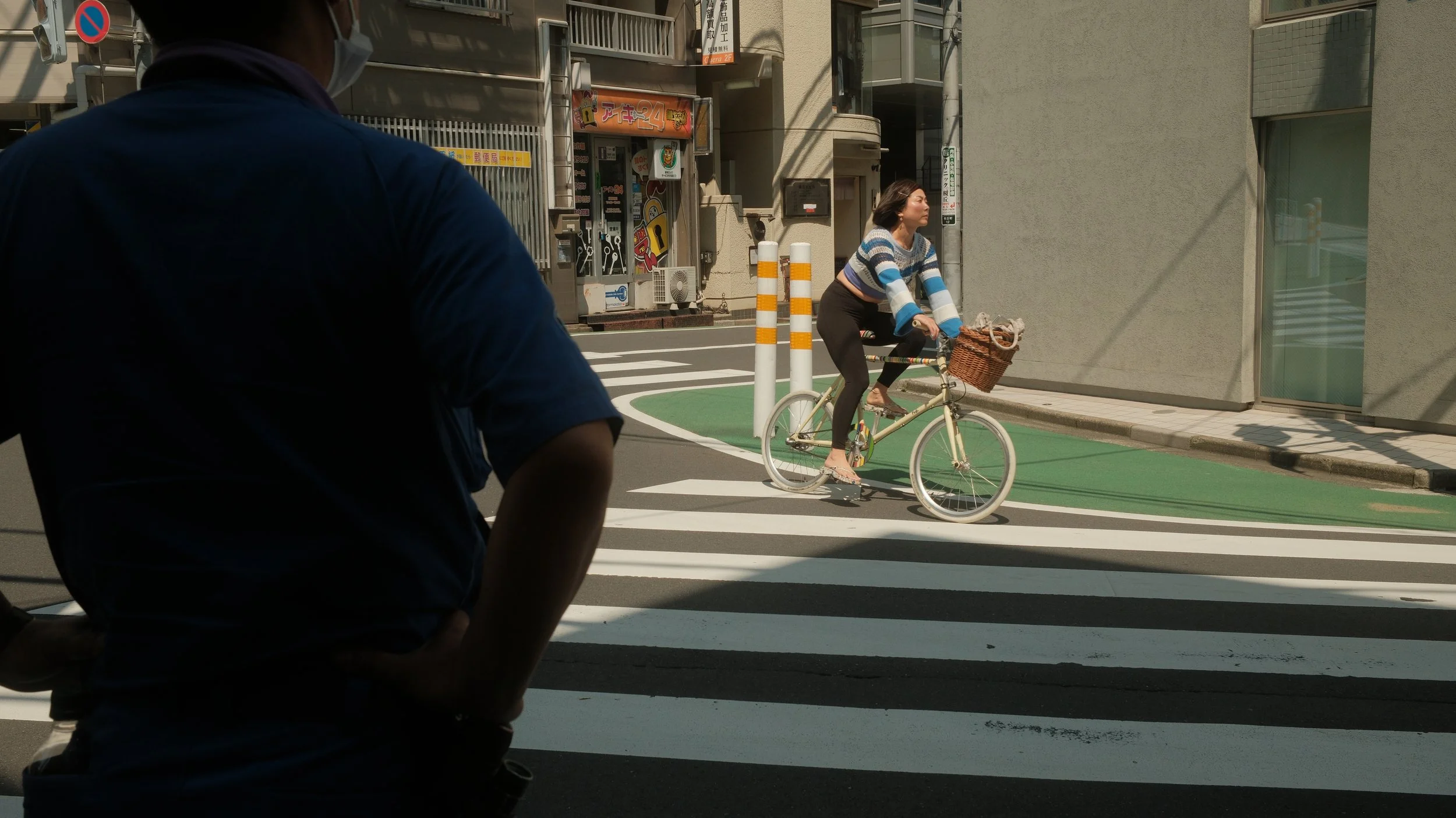
Tokyo 2026
What does 35mm actually mean?
Focal length describes how much of a scene your lens takes in. Lower numbers are wider. Higher numbers are tighter.
When photographers talk about 35mm, they usually mean the field of view on a full frame camera. That's important, because your sensor size changes what a lens number looks like.
Crop factor in plain English
Smaller sensors crop into the image. So to get the same 35mm look, you need a shorter lens.
This is why the 23mm lens on the Fujifilm X100VI is described as "35mm equivalent". Same view, smaller sensor.
If you shoot Fujifilm and you've been wondering why everyone recommends a 23mm, now you know.
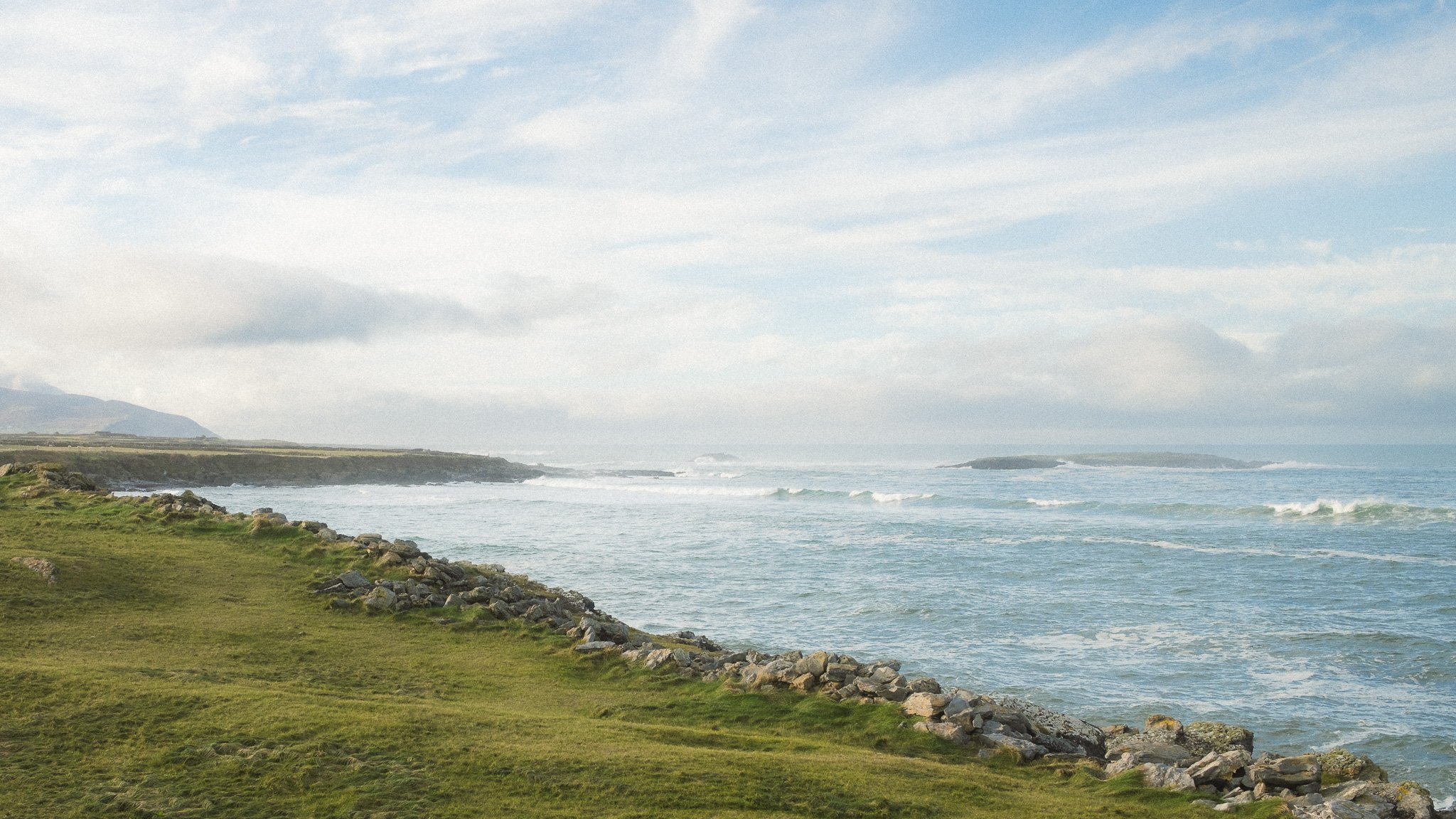
Kerry, Ireland 2024
Why 35mm is the best all-round focal length
1. It feels natural
35mm sits close to how we take in a scene when we're paying attention to it. It's not an exact match for human vision, but it feels familiar.
The result is images that look honest. They don't scream "wide angle" or "telephoto". They feel like you were there.
2. Context and subject in one frame
This is the real strength of 35mm.
It's wide enough to show where you are and tight enough to show who or what matters. A person and their environment. A plate of food and the café around it. A street and the moment happening on it.
That balance is what turns a photo into a story rather than a record.
3. Low distortion when used well
Wider lenses like 24mm can stretch faces and bend lines at the edges. 35mm is far more forgiving.
Step back a little and it works brilliantly for environmental portraits. Get too close and you'll still see some distortion, so give your subject a bit of space.
4. It covers more genres than any other single focal length
35mm won't be the best lens for every genre. But it's good enough for most of them:
Travel: landmarks, streets, food and people without swapping lenses
Street: close enough to feel involved, wide enough to forgive imperfect framing
Documentary: shows people within their world
Environmental portraits: subject plus story
Interiors and food: enough room to show the space
Video: natural-looking B-roll and comfortable for walk-and-talk shots
5. A long tradition behind it
35mm has been a favourite of street and documentary photographers for decades, especially on small rangefinder cameras. There's a reason it's stuck around. It simply works.

Oranges in Lagos, Portugal 2025
The creative case for one focal length
The technical reasons matter. But the biggest change 35mm made to my photography was in how I think.
Constraint breeds creativity
When you only have one focal length, you stop worrying about which lens to use. That decision is already made.
So your attention goes where it should: light, timing and composition.
I grew up training in martial arts, and one idea has always stayed with me. Mind, body and spirit working together. Shooting with one lens feels similar. Less gear in your hands means more presence in the moment.
Zoom with your feet
A prime lens makes you move. Want a tighter shot? Step closer. Want more context? Step back.
That sounds simple, but it changes your relationship with a scene. You engage with people and places rather than observing them from a distance.
You start to see in 35mm
This is my favourite part.
After a few weeks with one focal length, you start framing shots before the camera reaches your eye. You walk down a street and already know what will fit in the frame.
That instinct is hard to build when you're constantly switching lenses.

My 35mm setup
Fujifilm X100VI – The 35mm camera in disguise.
The X100VI has a fixed 23mm f/2 lens. On its APS-C sensor, that gives a 35mm equivalent field of view.
It's my favourite travel camera for both photos and video. I can't change the lens, and that's exactly the point. I've chosen this focal length again and again, and it's never let me down.
I shoot it with my own Classic Chrome based Fujifilm recipe, which you'll see in the images throughout this post.
If you want to see how it fits into my full travel kit, read The 4 Cameras I Travel With as a Content Creator (2026 Setup).
Ricoh GR IIIx – The interesting comparison.
The GR IIIx has a 26.1mm lens, which gives roughly a 40mm equivalent. Slightly tighter than 35mm.
It's a brilliant pocket camera. But using it alongside the Fujifilm X100VI taught me something. That extra 5mm makes the frame feel a little more selective and a little less immersive. For travel, I still prefer the extra breathing room of 35mm.
Fujifilm X-H2S with 16-55mm f/2.8 – The 35mm challenge.
If you own a zoom, try this. Set it to 23mm (or 35mm on full frame), tape the zoom ring and shoot nothing else for a week.
It's the cheapest way to find out whether 35mm suits you before buying a prime.
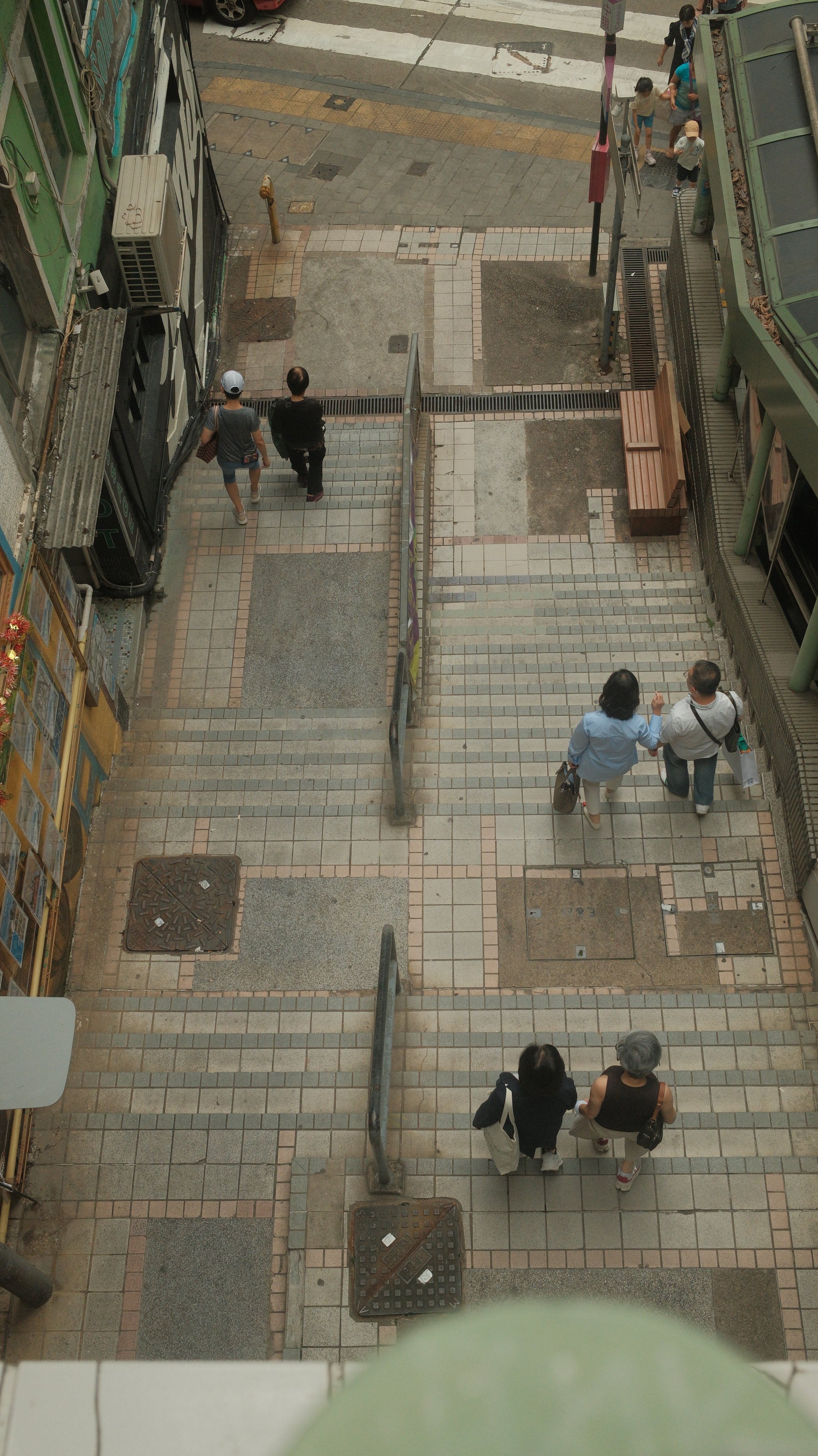
Hong Kong 2026
When 35mm isn't the best choice
I'd be lying if I said 35mm was perfect for everything. Here's where another focal length will serve you better.
Tight headshots are the obvious one. To fill the frame with a face at 35mm, you have to get close, and that's when features start to stretch. A 50mm or 85mm lets you step back and gives a far more flattering look.
Sport and wildlife are another. You simply can't get close enough to the action, and you'll want something like a 70-200mm or longer to bring it to you.
At the other end of the scale, 35mm can feel a little tight for big sweeping landscapes or small rooms where you need to fit everything in. Here a 16mm to 24mm will give you the space you need.
And if you love that compressed look, where layers of a scene stack up behind your subject, 35mm won't deliver it. That's a job for 85mm and beyond.
So 35mm isn't the best lens for everything. It's the best single lens for most things. And if you're only taking one, that's what matters.
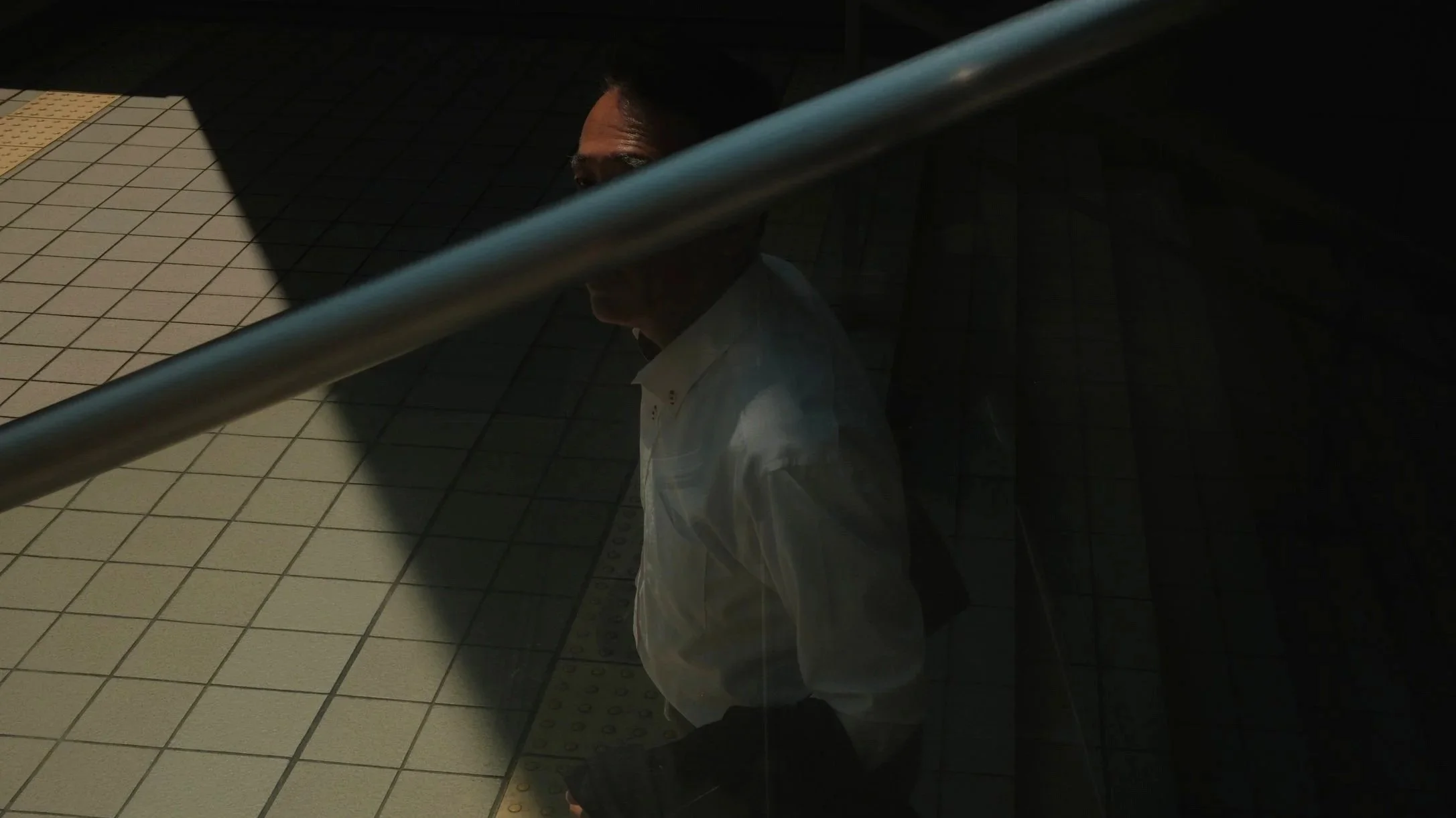
Tokyo 2025
Who should buy a 35mm lens?
A 35mm lens is a great fit if you:
Are a beginner choosing your first prime
Travel and want to pack light
Shoot street, documentary or everyday life
Want to slow down and become more intentional
Make content and want one lens for both photos and video
35mm focal length FAQ
Is 35mm good for portraits?
Yes, for environmental portraits where you want to show the person and their surroundings. For tight headshots, a 50mm or 85mm will be more flattering.
35mm or 50mm: which is better for beginners?
For most beginners, 35mm. It's more versatile, easier to use indoors and better for travel. 50mm is tighter and more selective, which suits portraits and details.
What is 35mm on APS-C?
Around 23mm on Fujifilm and around 22mm on Canon APS-C. These give a similar field of view to 35mm on full frame.
Is 35mm good for video?
Yes. It gives natural-looking B-roll and works well for walk-and-talk shots. For handheld vlogging at arm's length, some people prefer something slightly wider, like 24mm.
Is 35mm good for travel photography?
It's one of the best. You can shoot streets, food, people and landmarks with one lens, which means less weight and fewer decisions.
Can 35mm be your only lens?
For many photographers, yes. That's the whole reason it's called the best all-round focal length.
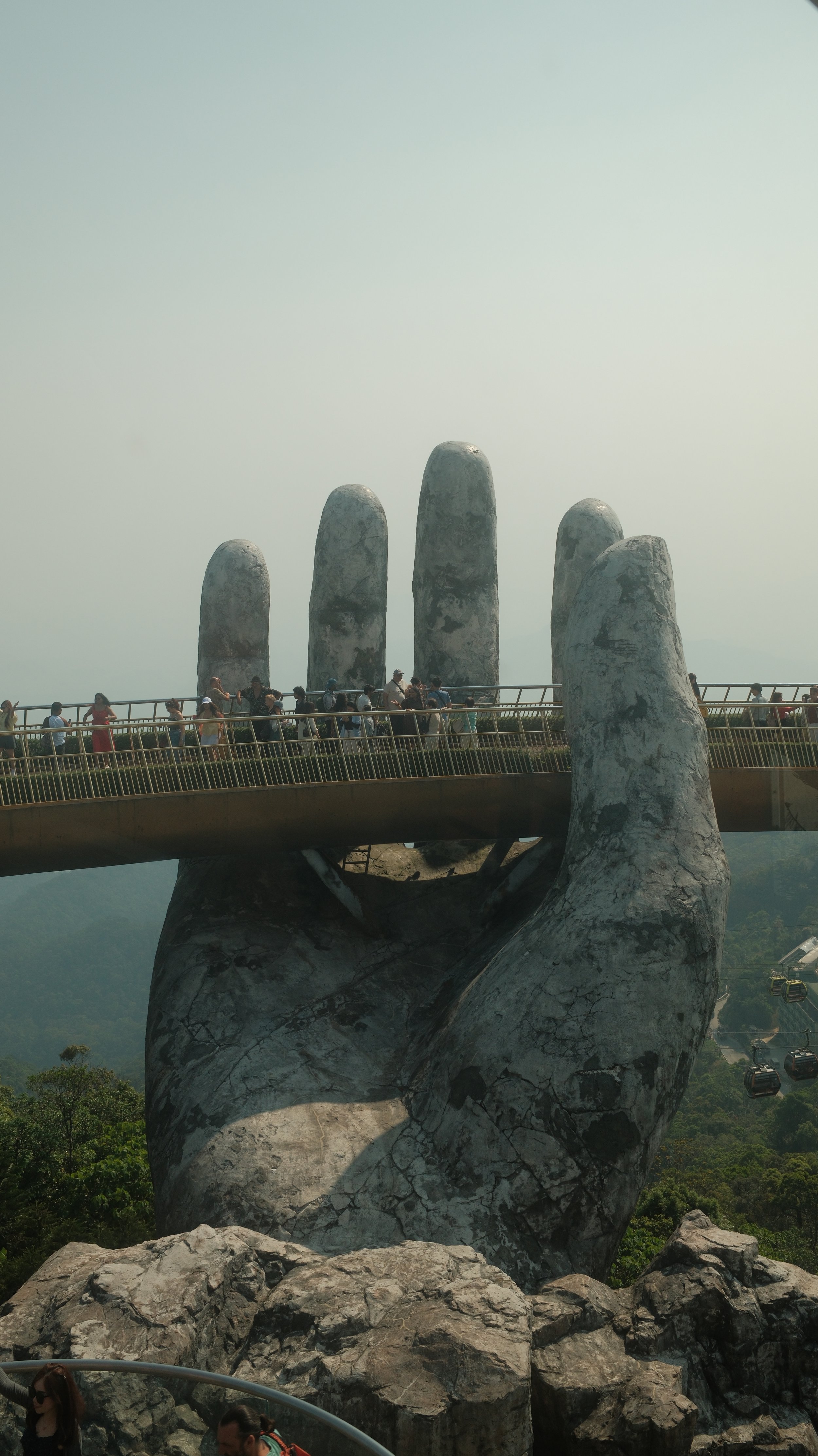
Da Nang 2026
Final thoughts
35mm isn't magic. It won't make a dull photo interesting.
What it does is get out of the way. It removes decisions, keeps you close to the moment and gives you a frame that feels honest.
If you're carrying three or four lenses and still feel stuck, try one week with 35mm. Tape the zoom, pick up a prime or grab a fixed lens camera.
You might find you don't need anything else.
So here's my question for you. If you could only keep one focal length, which would it be?
As an Amazon Associate I earn from qualifying purchases.